History Curriculum
KS3-4 History Curriculum
The EDClass History Curriculum provides students with a detailed, chronological, and thematically rich journey through British, European, and World History.
Our approach ensures students not only acquire a strong base of factual knowledge but also develop critical historical skills, such as source analysis, evaluating causation, understanding change and continuity, and addressing complex, controversial historical questions.
The curriculum is designed to foster a balanced and deep understanding of how the past has shaped the modern world.
Key Stage 3 (KS3) Curriculum: From Foundations to the Modern World
The KS3 curriculum is structured around significant historical inquiries, moving chronologically while pausing to explore key themes of power, migration, social change, and conflict. The learning journey is divided into four main chronological epochs.
Curriculum Content
Foundations of Britain and Medieval Society (c. AD 43 – c. 1500)
This foundational unit establishes essential historical concepts and examines the critical transition periods that defined early England and the medieval period.
Historical Method:
What is History?
Early Britain:
What do we know about Britain before 1066? (This can become local History)
Norman Conquest & Control:
How did a Frenchman become King of England?
How did William establish control over England?
Medieval Life & Global Context:
How similar was Medieval England to the rest of the world?
How did religion influence the lives of people in Medieval England?
Why were the Crusades important?
Change & Crisis:
How did Power change in the Medieval period?
How did disease impact people in medieval England?
Early Modern Britain (The Tudors & Stuarts) and Migration (c. 1500 – c. 1700)
This section focuses on dynastic change, religious upheaval, the shifting balance of power between Crown and Parliament, and the enduring impact of migration.
Migration:
How has migration shaped Britain?
Tudor Period:
How far did the Tudors change England?
What was life like in Tudor England?
Constitutional Change:
How did monarchs lose power during the 1600s?
Empire, Industrialisation, and Victorian Society (c. 1750 – c. 1900)
This extensive module explores the dramatic changes brought by industrialisation, the complex legacy of the British Empire, and social life in the 19th century.
Industrial Impact:
How did the Industrial Revolution shape Britain? (Focusing on social and economic impact across the centuries.)
The British Empire:
Was the British Empire the one where ‘the sun never set’ or where ‘blood never dried’? (A key question designed to promote critical evaluation of different historical narratives.)
What was it like to be involved in the Transatlantic Slave Trade?
Global Relations:
How did French-British relations influence Britain?
Victorian Life: How did people live in Victorian Britain?
The 20th Century and Modern World
The final KS3 stage tackles the evolution of democracy, the causes and consequences of major global conflicts, and the forces that shaped contemporary society.
Interwar Years & War:
How democratic was Britain by the 1930s?
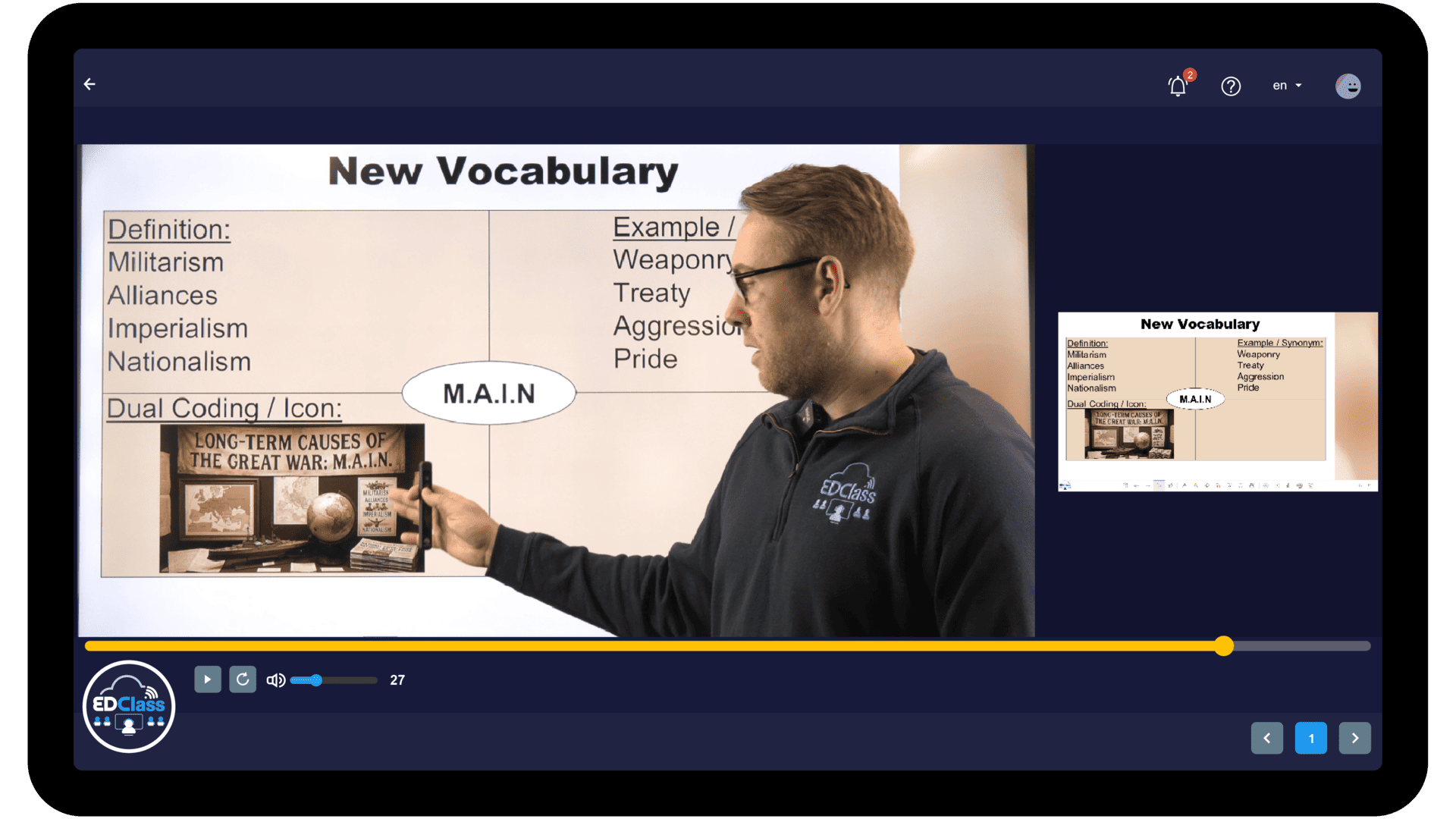
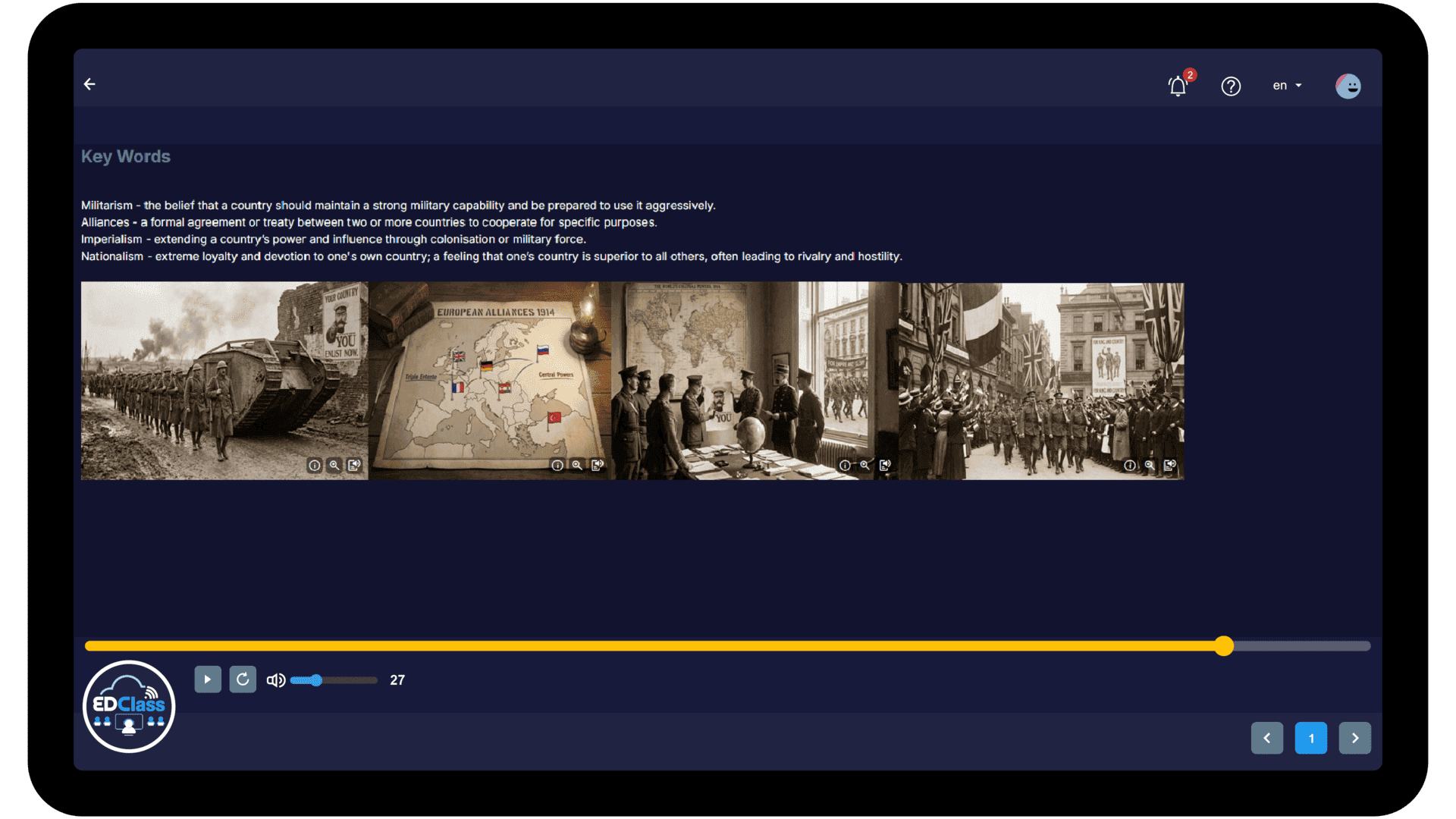
Why was World War 1 ‘the war to end all wars’?
How extreme was politics in the Interwar years?
Which year was the most significant in World War 2?
How and why did the Holocaust happen?
Post-War World & Social Change:
How was the Commonwealth created?
How did life change in the 1960s in Britain and America?
Why is the 1980s viewed as the birth of the modern world?
How has modern terrorism shaped the world?
How did women influence the 20th century?
GCSE Curriculum: Depth and Specialisation
The GCSE course builds on the KS3 foundation, requiring students to specialise in key areas of study, focusing on detailed knowledge, complex source analysis, and rigorous historical interpretation, aligned with major examination board specifications.
Curriculum Content
Paper 1: Thematic Study (The Development of Medicine in England)
This paper focuses on continuity and change in medical understanding and treatment across centuries, exploring the interaction between ideas, technology, and society.
Medicine in Medieval England c1250-c1500
The Medical Renaissance in England c1500-c1700
Paper 2: Period & Depth Studies
This paper combines a broad Period Study with a focused Depth Study, providing contrast in both time period and focus.
Period Study: Anglo-Saxon & Norman England (1060–1087)
This module examines the crisis of 1066, the establishment of a new dynasty, and the profound social, political, and cultural impact of the Norman Conquest.
Anglo-Saxon England 1060–1066
William in Power: Securing the Kingdom, 1066–87
Norman England
The historic environment of Norman England (AQA only)
Depth Study: Elizabethan England (1558–1603)
This module analyses the challenges and achievements of one of Britain’s most iconic periods, focusing on the role of the monarch, the nature of government, social structure, and threats both foreign and domestic.
Queen, Government & Religion
Challenges at Home & Abroad
Elizabethan Society
Elizabeth’s court and parliament
Life in Elizabethan Times
Troubles abroad and at home
Historical environment