Maths Curriculum
KS1-4 Maths Curriculum
The EDClass Maths Curriculum spans a wide array of foundational topics, beginning from Year 1 through to GCSE and functional skills.
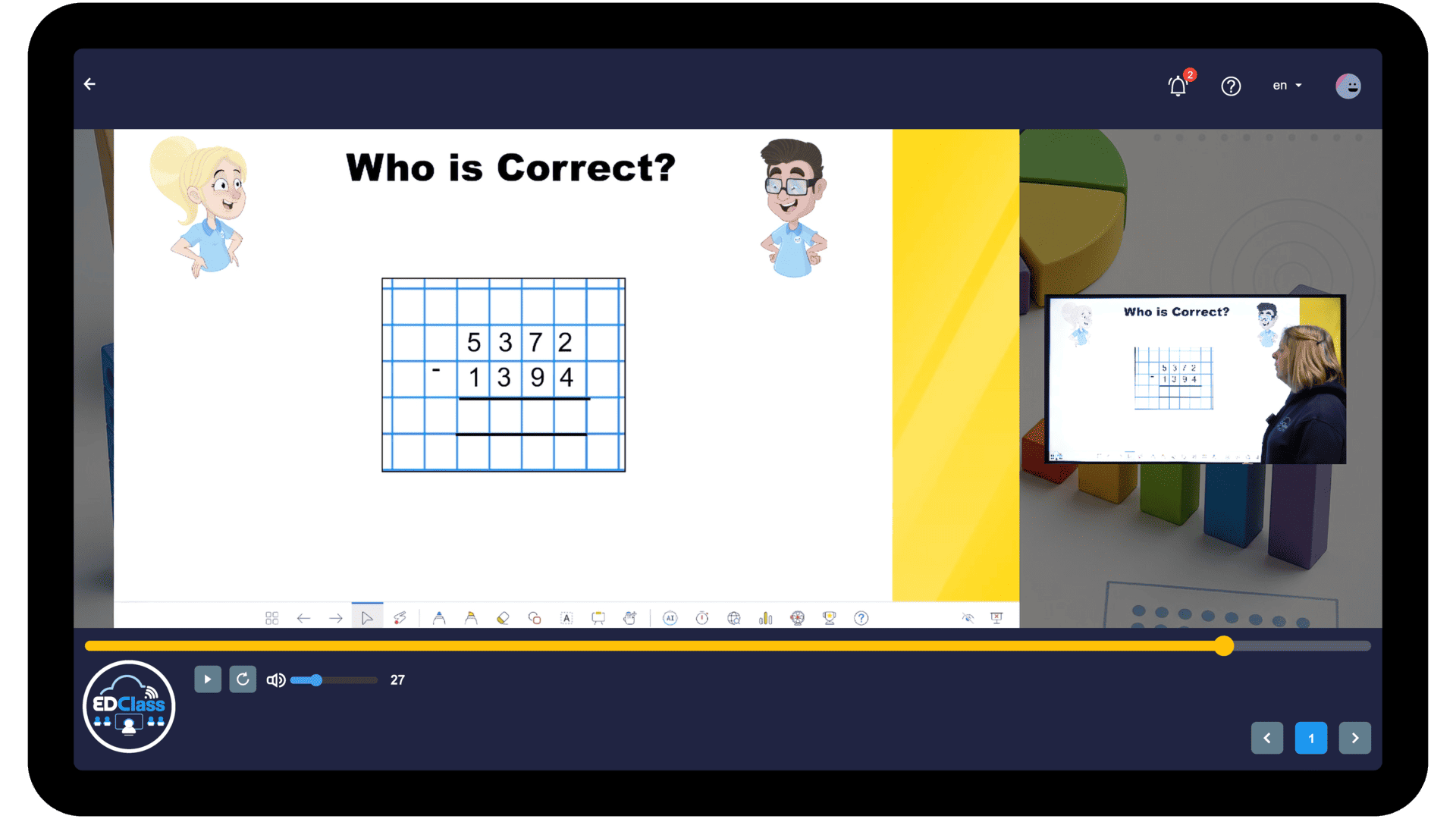
In the early years, pupils focus on the basics—learning to count, recognise numbers, and understand simple addition and subtraction. As they progress through Key Stages 1 and 2, they tackle more complex operations, such as multiplication, division, fractions, and simple geometry.
The emphasis is on building a strong numerical foundation, boosting confidence, and nurturing problem-solving skills through practical applications and engaging activities following the national curriculum.
The EDClass Maths Curriculum provides a comprehensive and engaging learning experience designed to develop strong mathematical foundations and foster a lifelong love of mathematics.
Our program caters to diverse learners, ensuring that every student can achieve their full potential. We focus on building a deep understanding of key mathematical concepts, alongside developing problem-solving skills and the ability to apply mathematical knowledge to real-world contexts.
Advanced Mathmatical Concepts
From Key Stage 3 onwards, the curriculum delves into more advanced concepts, using a spiralling curriculum method.
By the time students reach GCSE level, they explore algebra, geometry, trigonometry, statistics, and probability in greater depth.
The GCSE Maths syllabus is designed to develop analytical and critical thinking skills, equipping students with the ability to tackle real-life problems, whilst also supporting foundation learners.

Maths Functional Skills
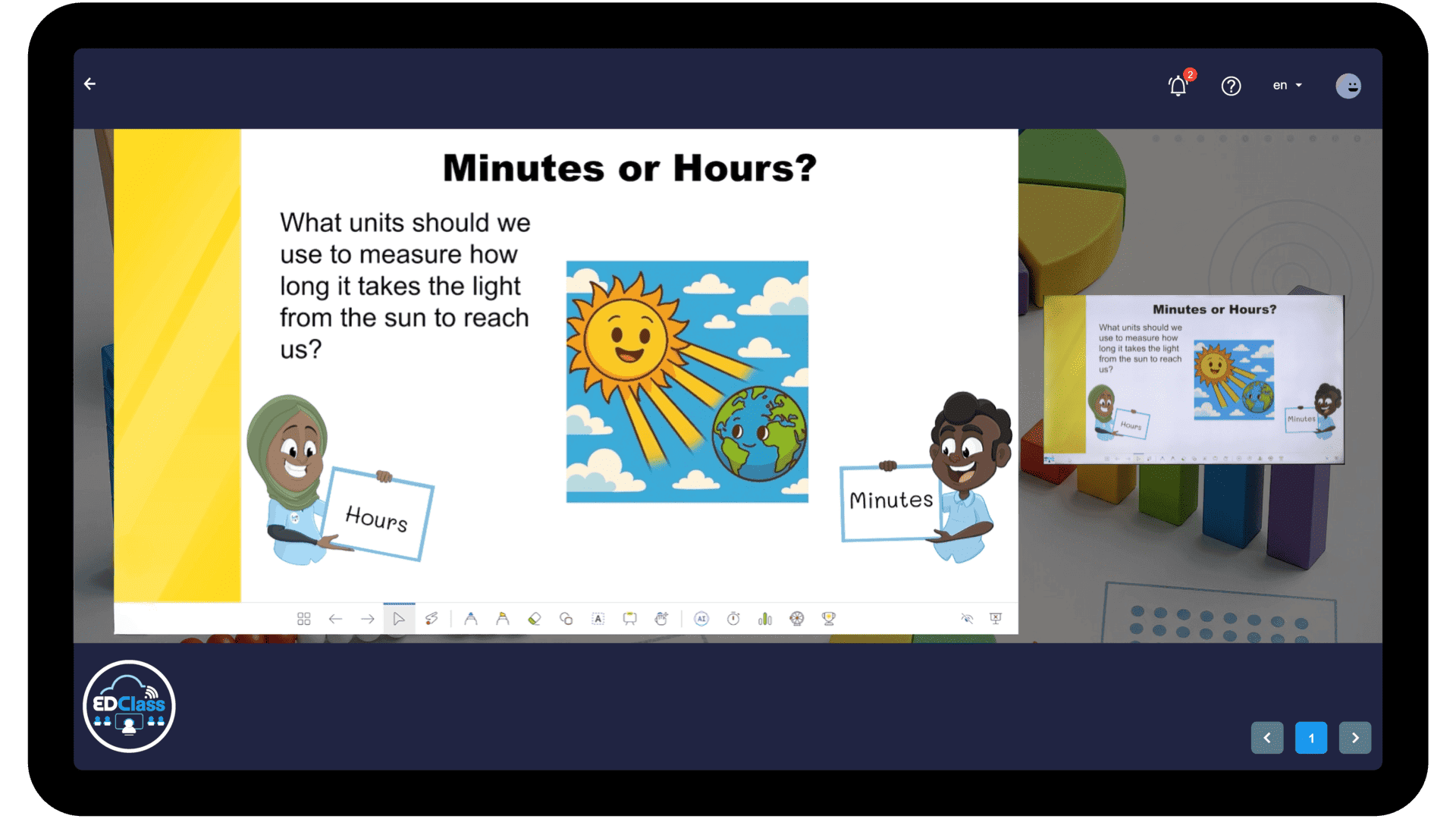
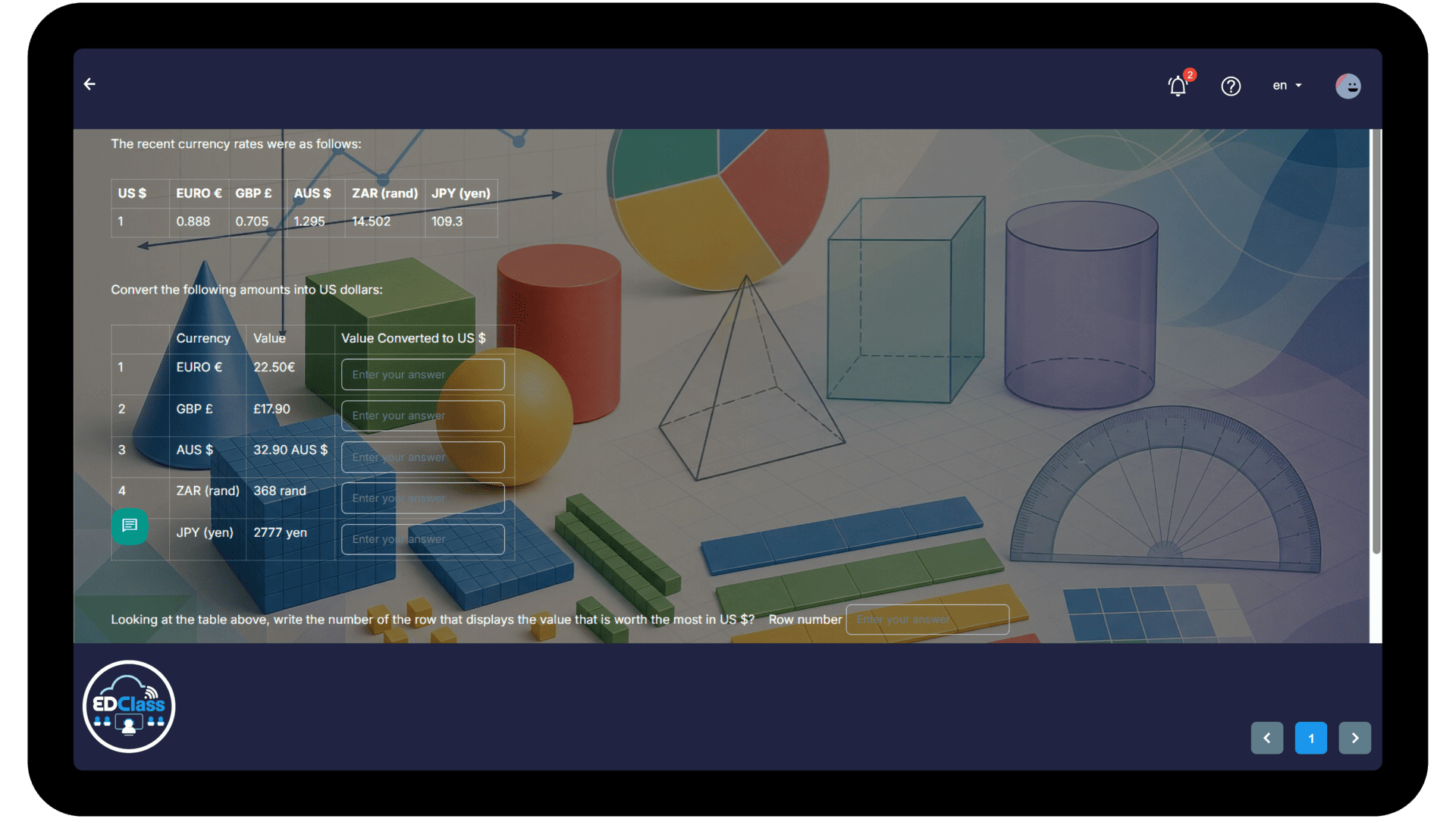
Functional skills, on the other hand, focus on practical mathematical applications in everyday contexts, ensuring that learners can confidently handle tasks such as budgeting, measuring, and interpreting data.
These courses aim is to make maths accessible, relevant, and useful for all students, regardless of their future aspirations.
Curriculum Content
Algebra
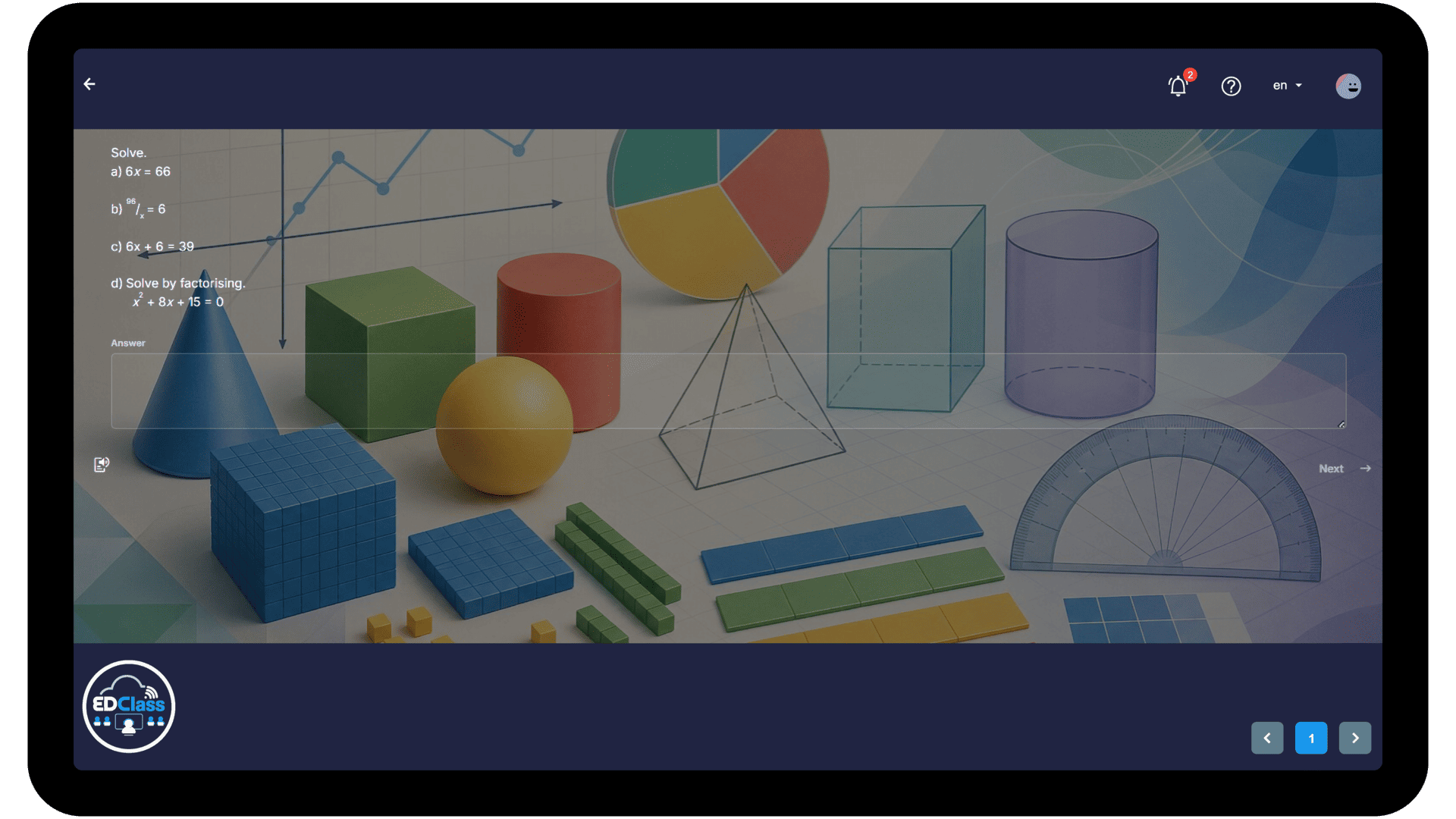
This area introduces the language of algebra, including variables, expressions, equations, and sequences. Students learn to solve problems using algebraic methods.
Algebraic Fractions
Algebraic Proof
Algebraic Simultaneous Equations
Changing the Subject
Completing the Square
Co-ordinates
Equation of a Straight Line
Expanding and Factorising
Formula, Expressions and Inequalities
Functions
Iteration
Non-linear Graphs
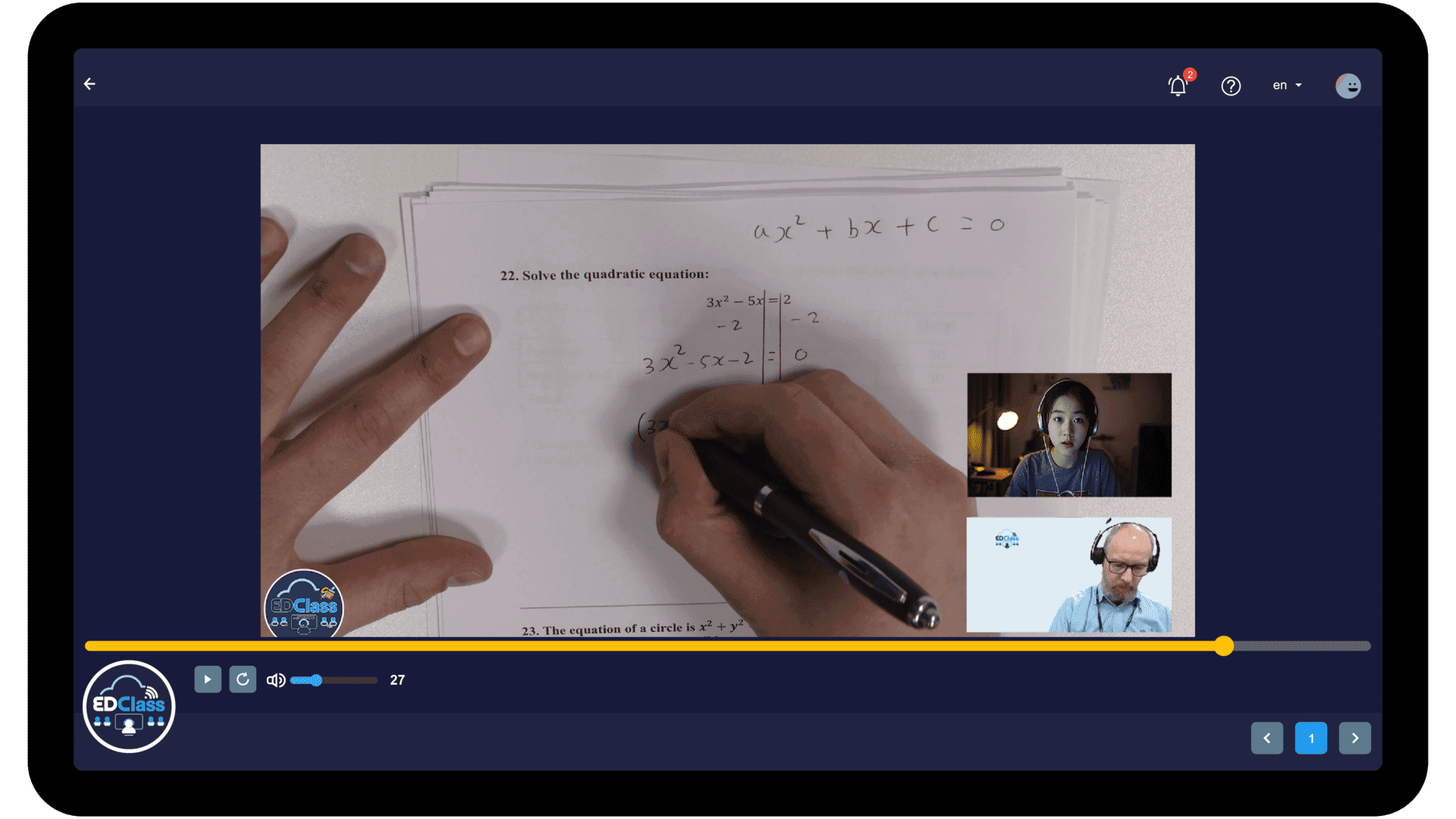
Quadratic Equations
Quadratic Formula
Quadratic Graphs
Sequences and nᵗʰ Term
Solving Equations and Inequalities
Substitution
Geometry and Measure
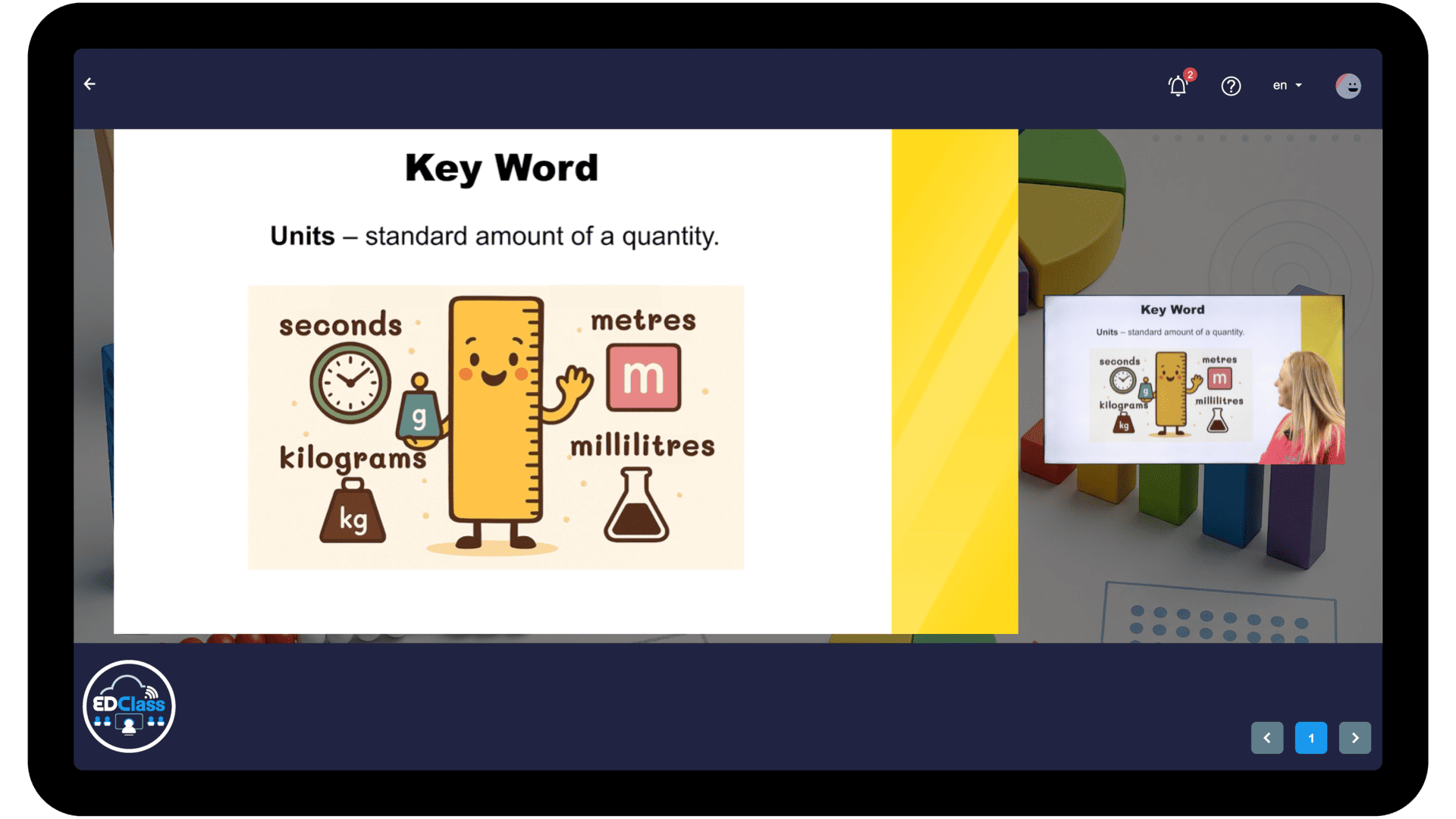
Students explore shapes, space, and measurement. This includes understanding geometric properties, calculating area and volume, and working with units of measurement.
Angles
Bearings
Circles
Circle Theorems
Compound Measures
Congruence and Similarity
Constructions
Metric Conversions
Non-Right-Angled Trigonometry
Perimeter and Area
Properties of 2-D and 3-D Shapes
Pythagoras
Right-Angled Trigonometry
Surface Area
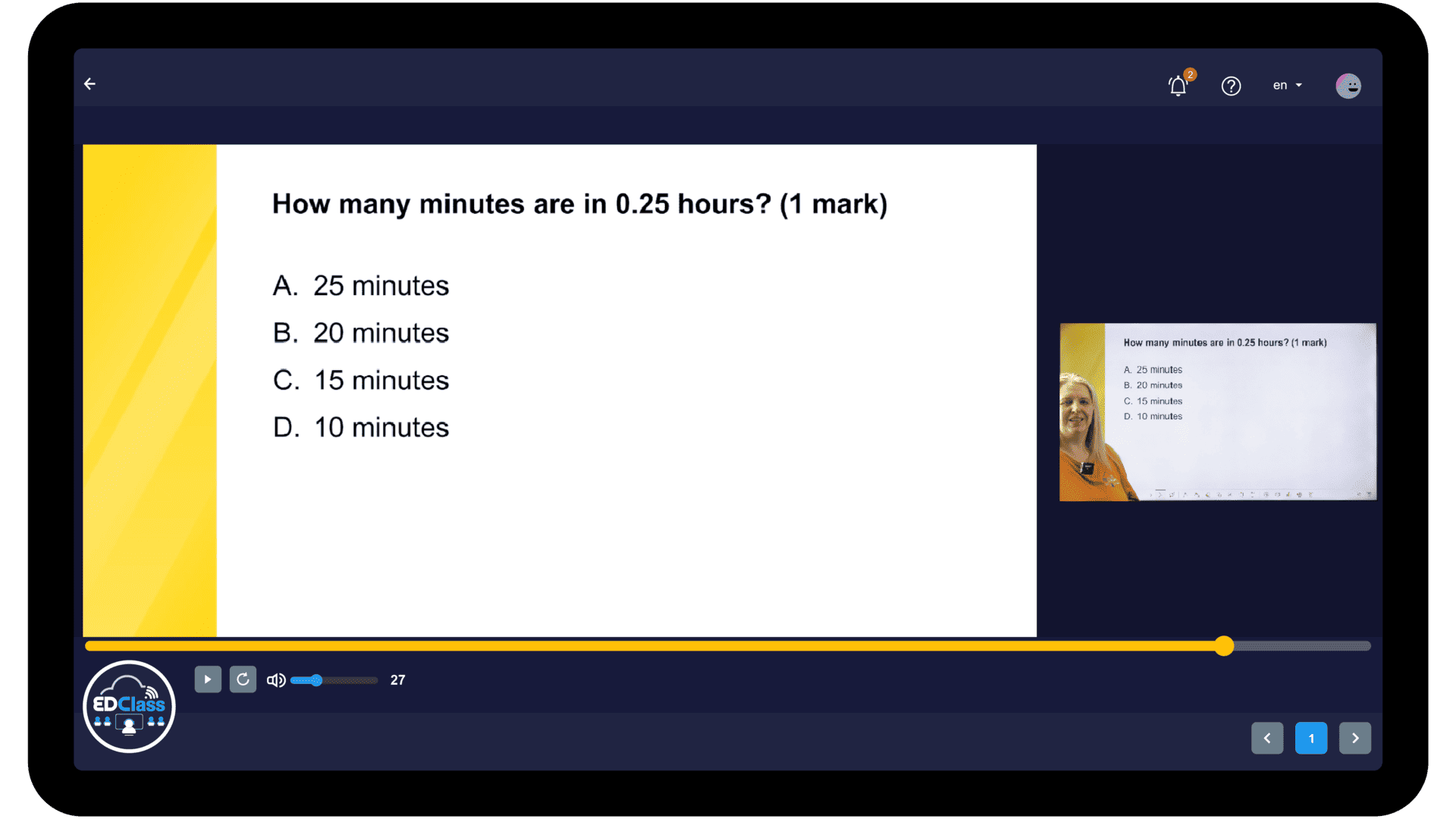
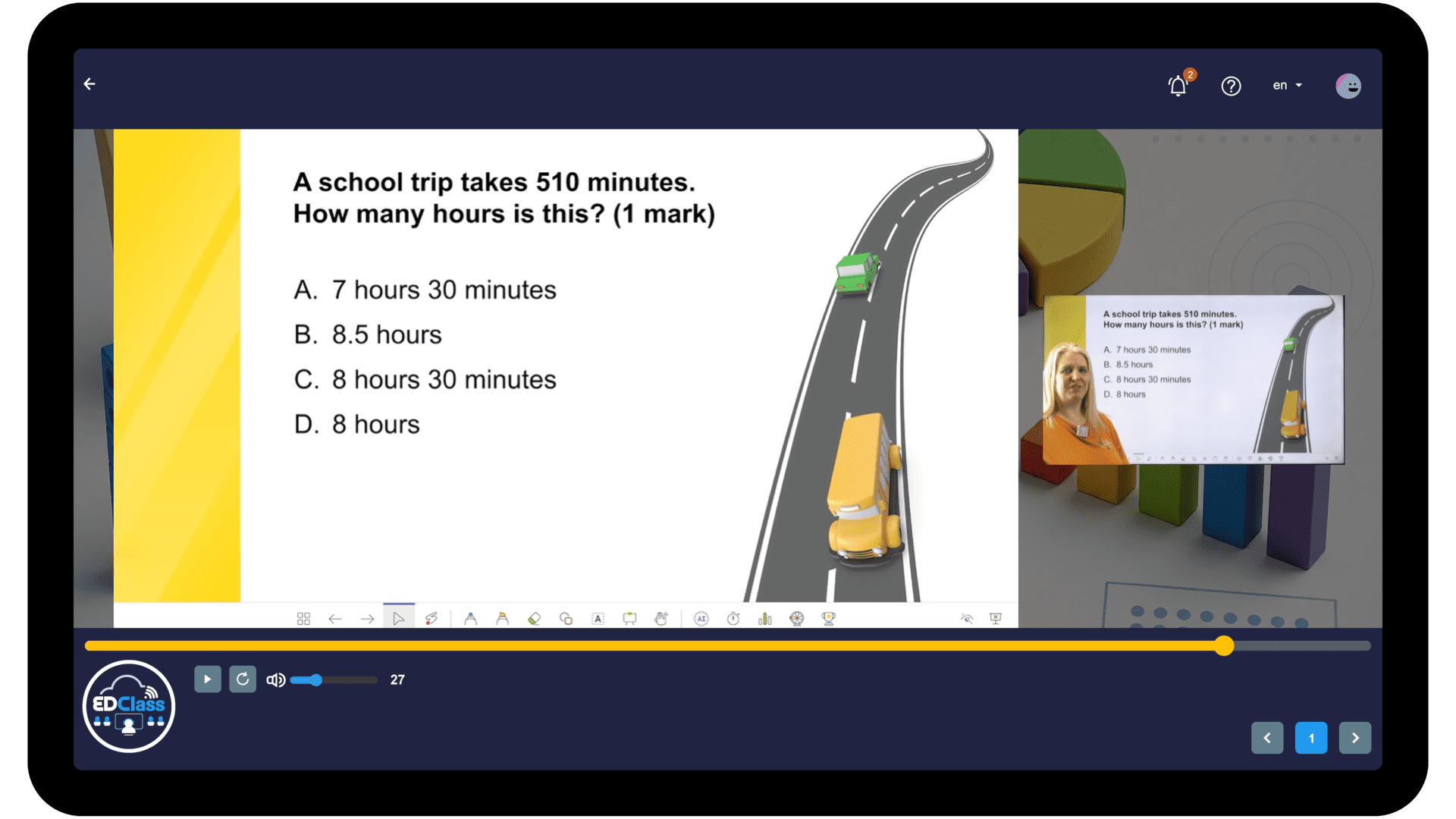
Time, Timetables, Mileage Charts and Money
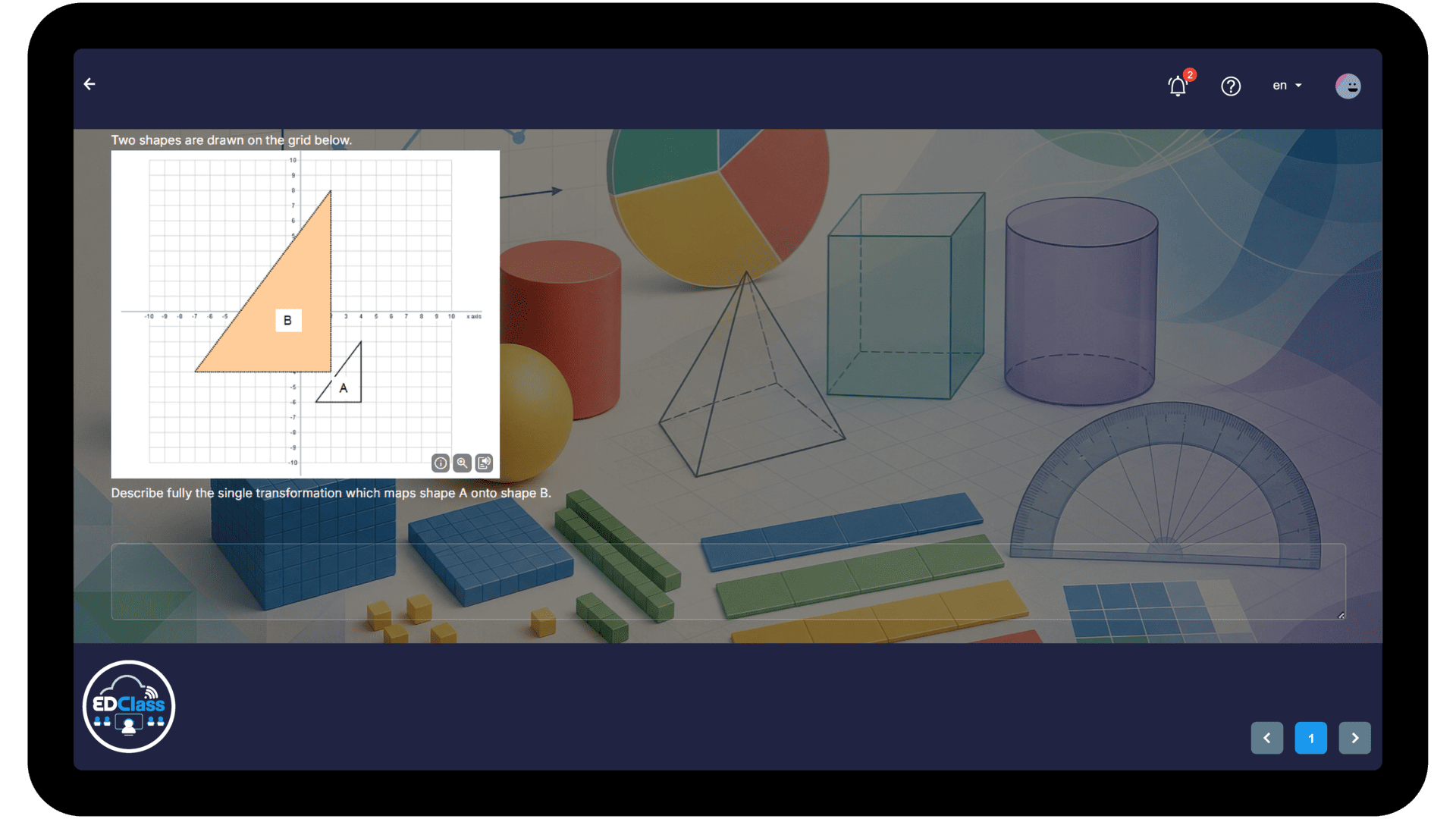
Transformations
Vectors
Volume
Number
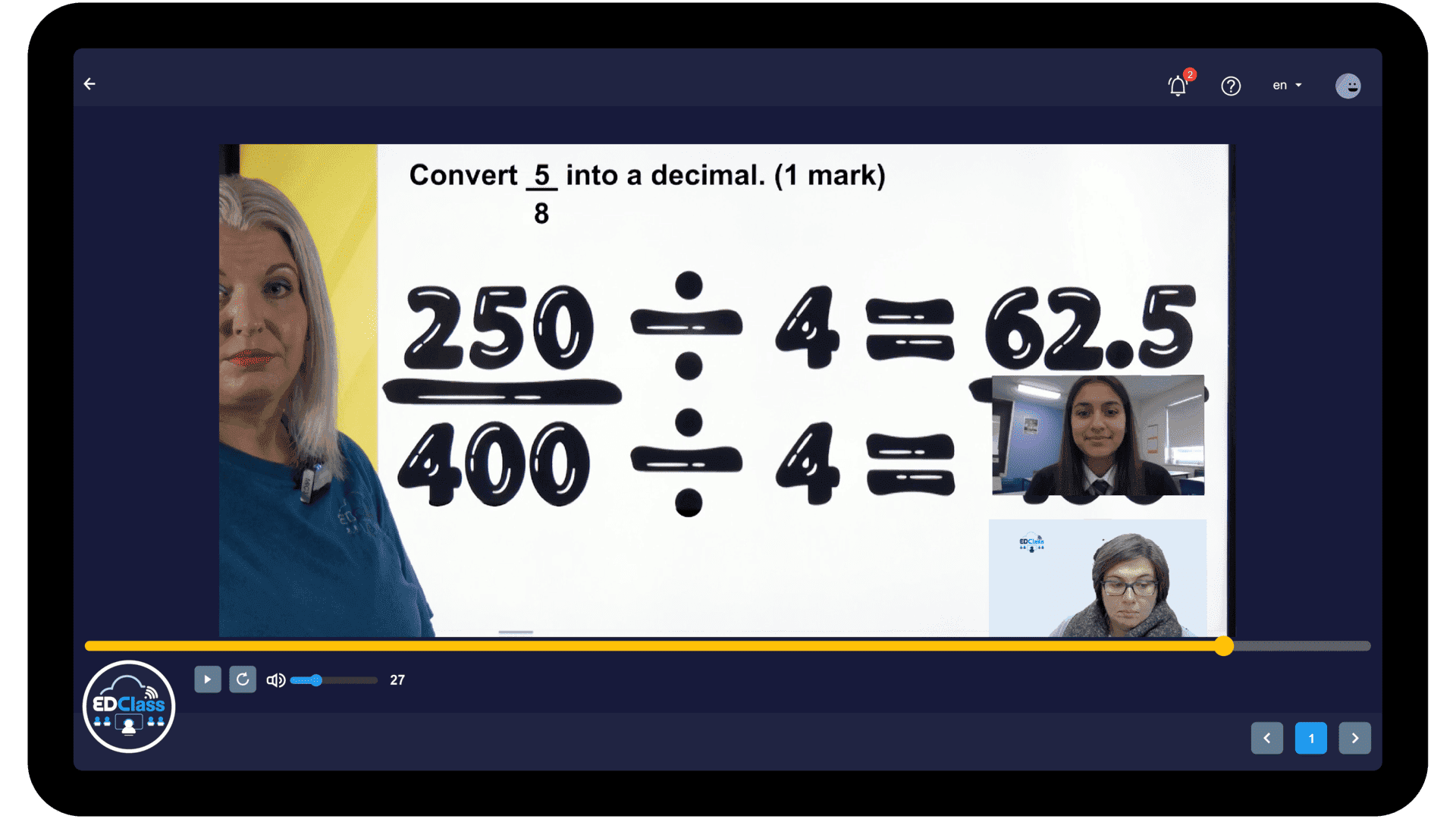
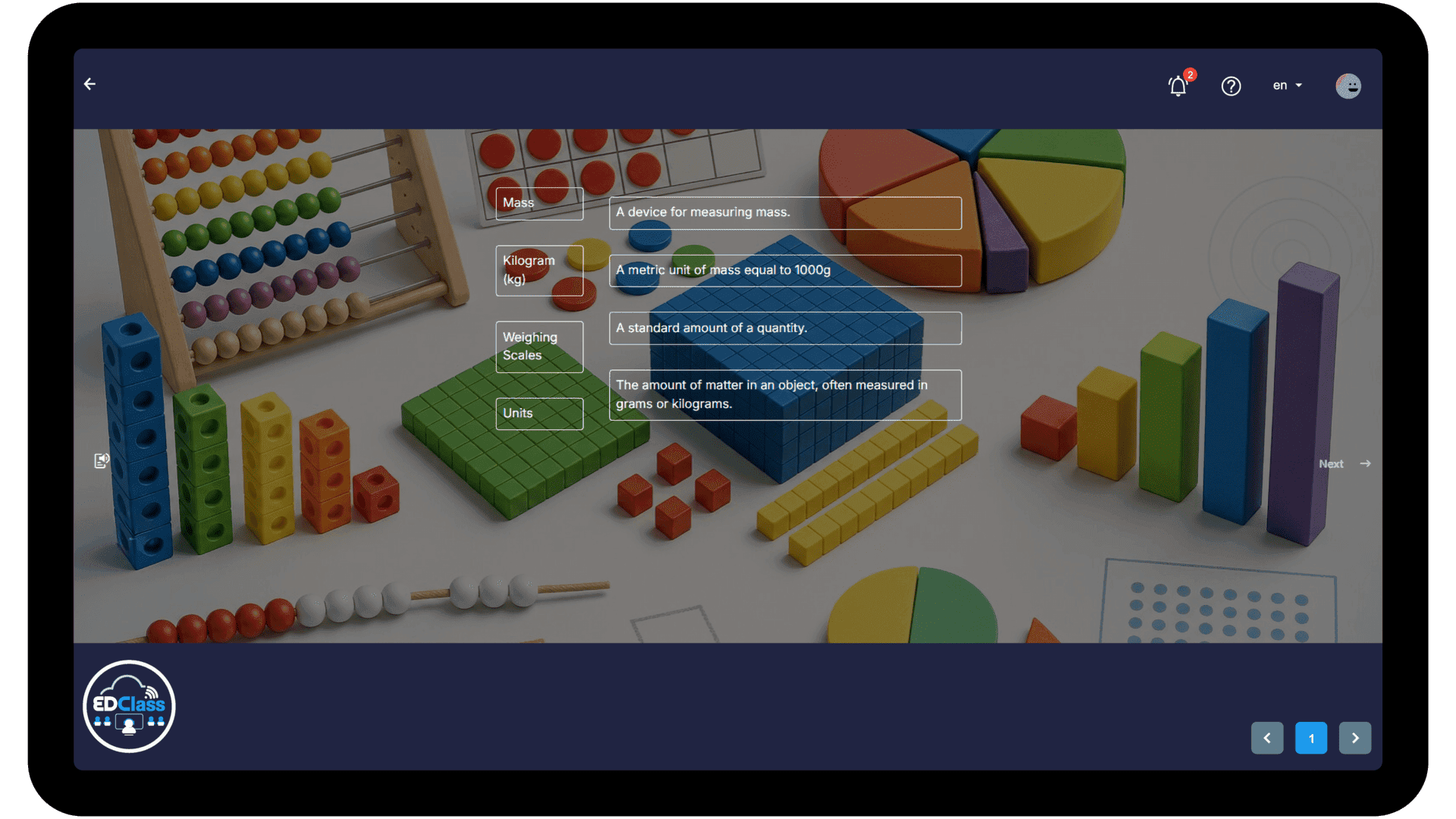
This fundamental area explores number systems, operations, fractions, decimals, percentages, and number patterns. Students develop fluency in calculations and a strong sense of number relationships.
Addition and Subtraction
Calculations with Fractions
Equivalent Fractions
Factors and Multiples
Fraction, Decimal and Percentage Conversion
Financial Maths
Index Notation
Introduction to Fractions
Laws of Indices
Multiplication and Division
Multiply and Divide by Powers of 10
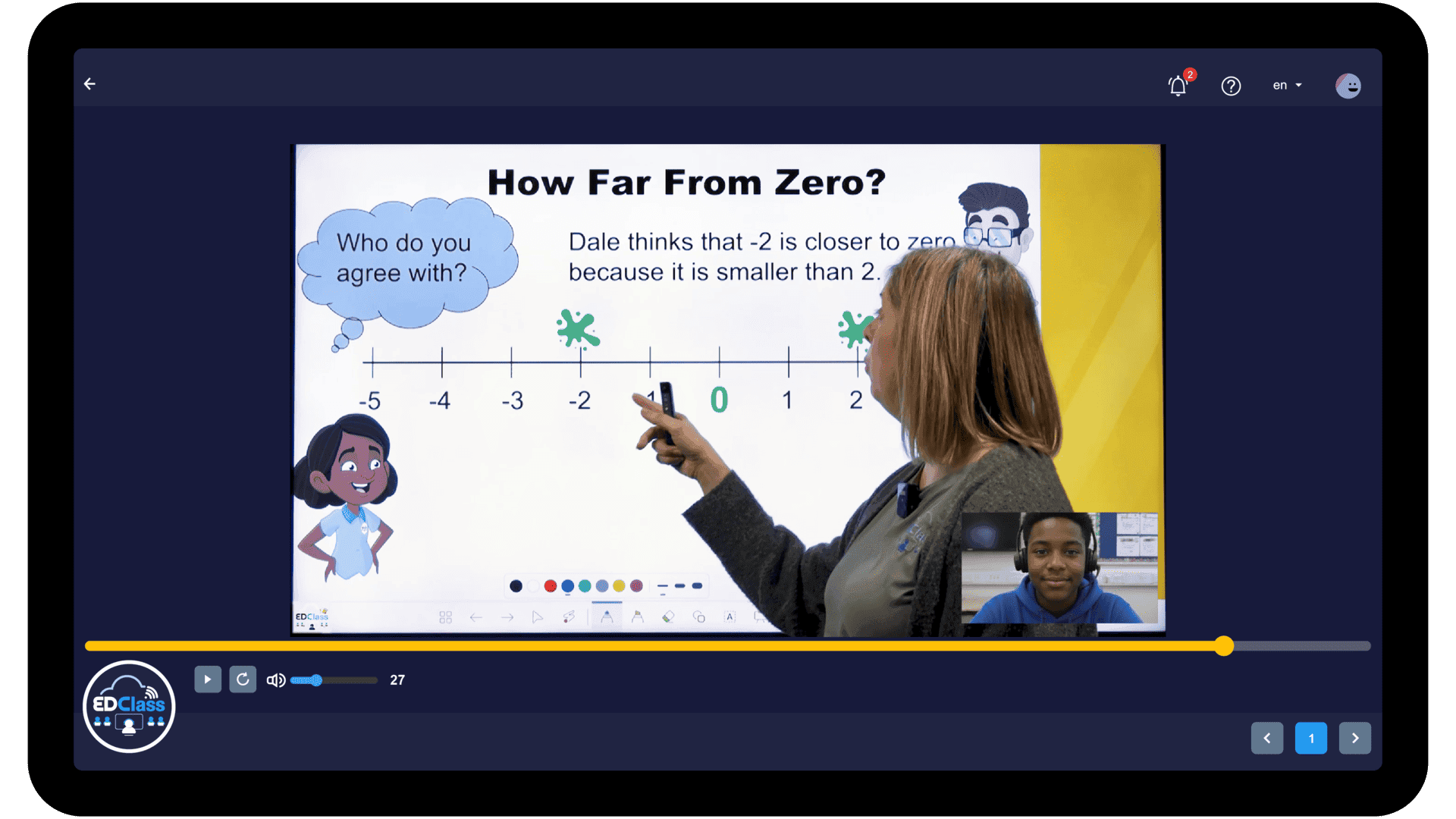
Negative Number
Order of Operations and estimating
Place Value
Percentages
Product of Prime Factors
Rounding
Standard Form
Surds
Using a Calculator
Probability and Statistics
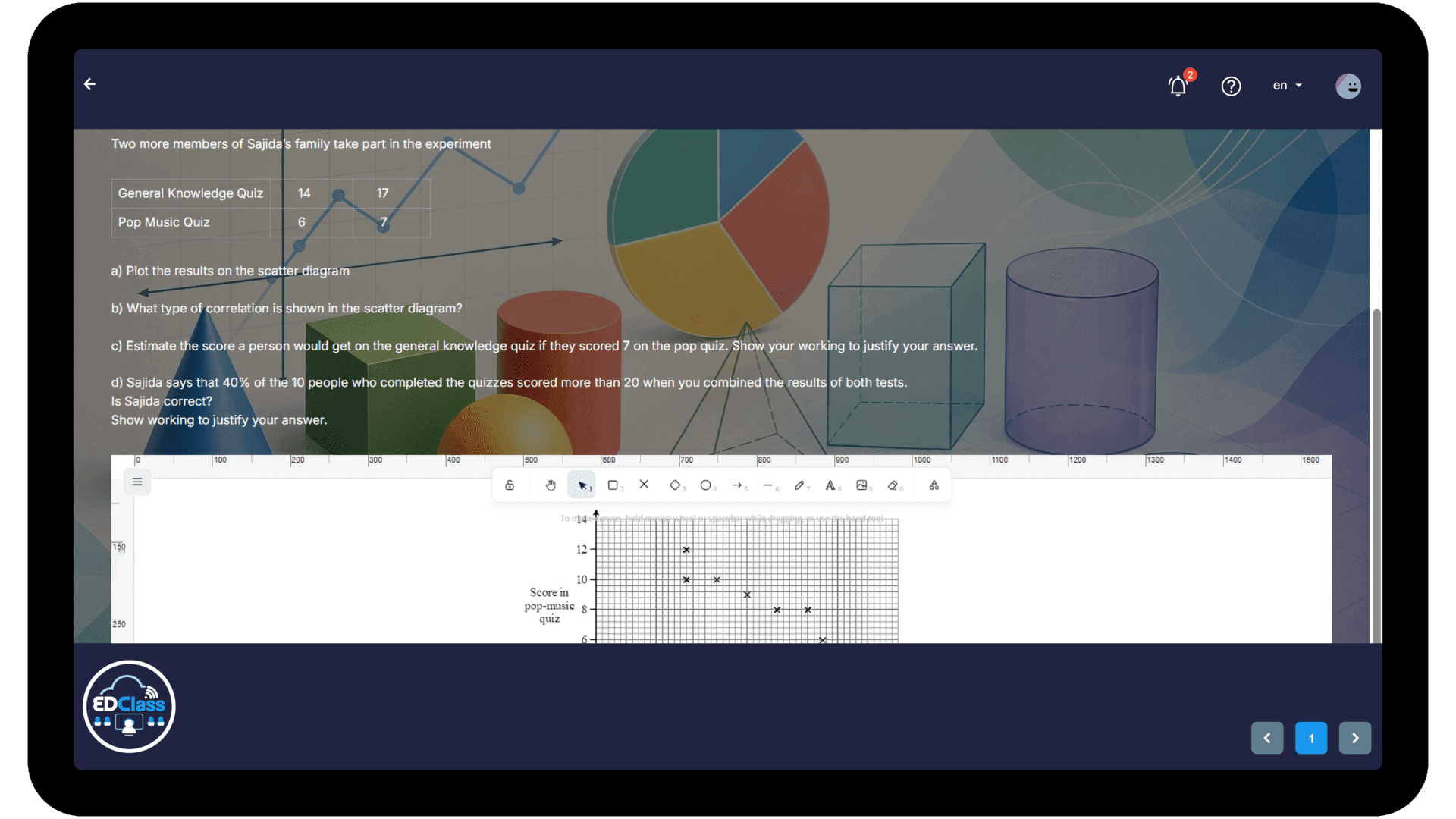
Learners develop skills in collecting, organizing, analysing, and interpreting data. They learn about probability, chance, and the likelihood of events.
Averages and Range
Data, Tables, Charts and Diagrams
Describing Distribution
Population and Samples
Probability
Scatter Graphs
Ratio and Proportion
This practical area focuses on the relationships between quantities, including ratios, proportions, rates, and percentages, enabling students to solve problems involving scaling and sharing.
Proportion
Ratio
Student Progression
The EDClass Maths Curriculum is structured to provide a clear progression of learning, ensuring that students build upon prior knowledge and develop a coherent understanding of mathematics.
We emphasize a variety of teaching approaches to cater to different learning styles, including:
- Interactive activities and games
- Real-world problem-solving
- Visual aids and manipulatives
- Technology-enhanced learning
Our goal is to equip students with the mathematical skills and confidence they need to succeed in their education, future careers, and everyday life.