Art Curriculum
KS 3-4 Art Curriculum
At EDClass, our Art curriculum is passionately designed to ignite passion, cultivate creativity, and equip students with the skills and knowledge to explore the vibrant world of visual arts.
Through engaging online lessons, practical projects, and in-depth theoretical understanding, we empower Key Stage 3 and 4 students to become confident and expressive artists.
Curriculum Content
Key Stage 3: Building Foundations, Exploring Possibilities
Our Key Stage 3 Art curriculum provides a strong foundation in artistic principles and techniques. Students will embark on a journey of discovery, learning to:
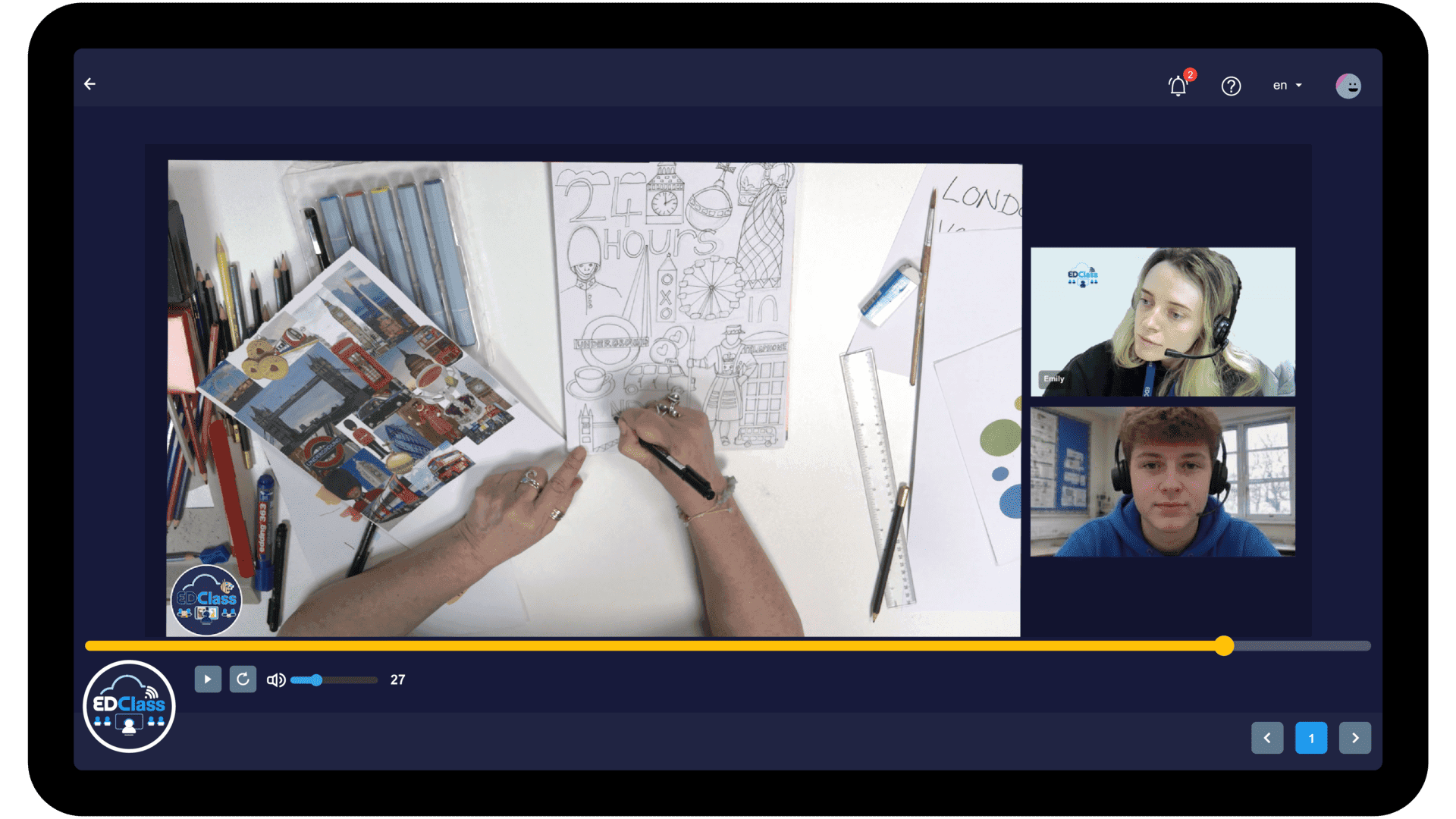
Observe and Represent Space: Develop skills in drawing accurately from observation, understanding concepts like scale and perspective drawing to create the illusion of depth in their artwork. For example, they’ll learn how to create a scale drawing of their room or a scale model of an area, understanding that every measurement in the drawing relates proportionally to the real object.
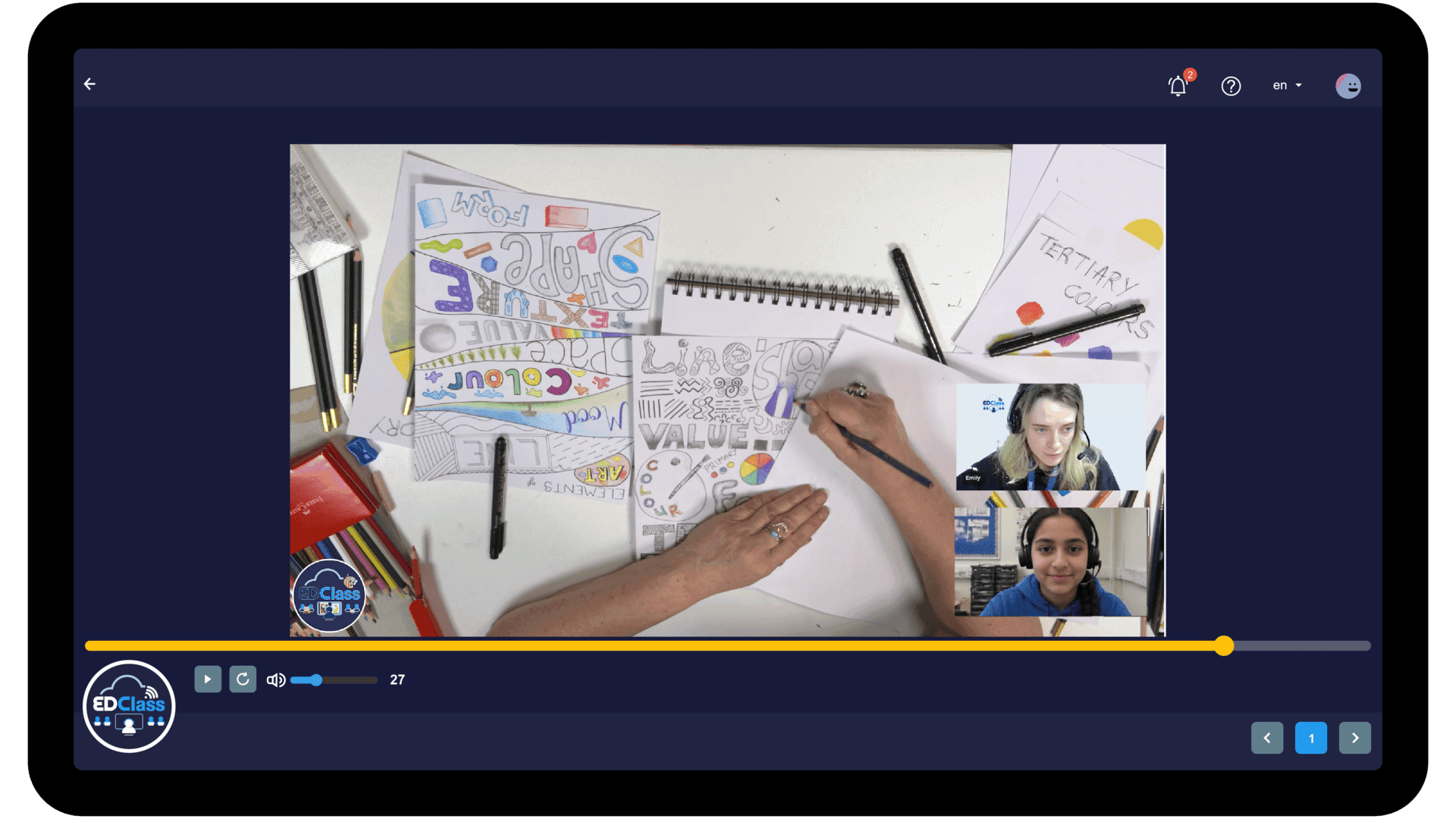
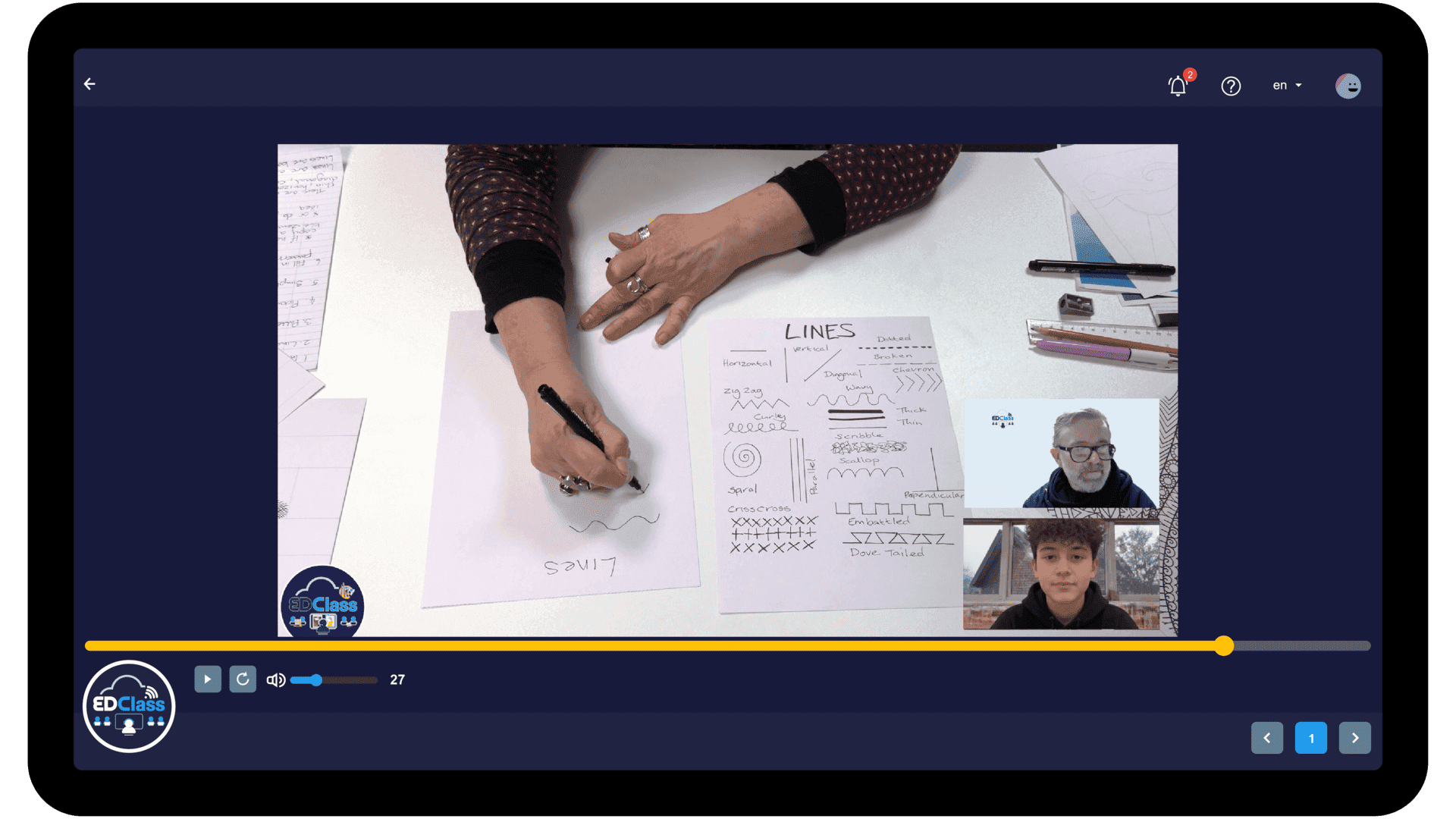
Master Visual Elements: Experiment with line weight (varying the thickness of lines to create visual interest), shading (adding shadows and highlights to create a sense of form), and texture (representing the surface quality of objects) to add depth, form, and visual interest to their drawings and paintings. They’ll understand how light plays a crucial role in photography, affecting mood and enhancing the focal point.
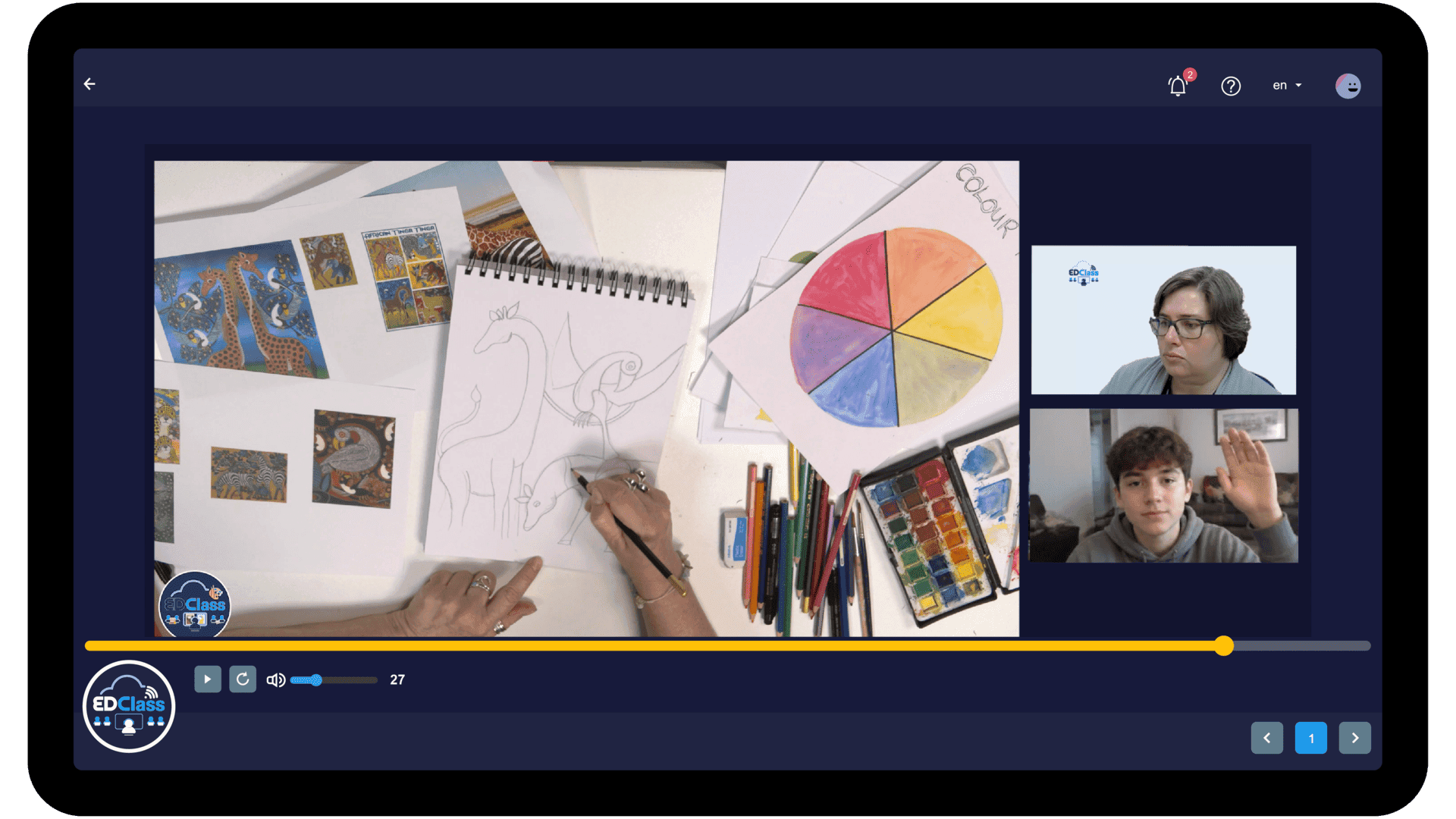
Explore Colour Theory: Understand the use of colours, including mixing colours to create new hues, and how different colour palettes can convey mood and emotions in art. For instance, they’ll learn how Vincent van Gogh used vibrant yellows for joy and deep blues for sadness.
Understand Artistic Intent: Begin to analyse why artists make specific choices in drawing styles, symbols, colours, and signs to communicate meaning. They’ll explore how artists use social commentary to critique social issues, examining works by artists like Banksy.
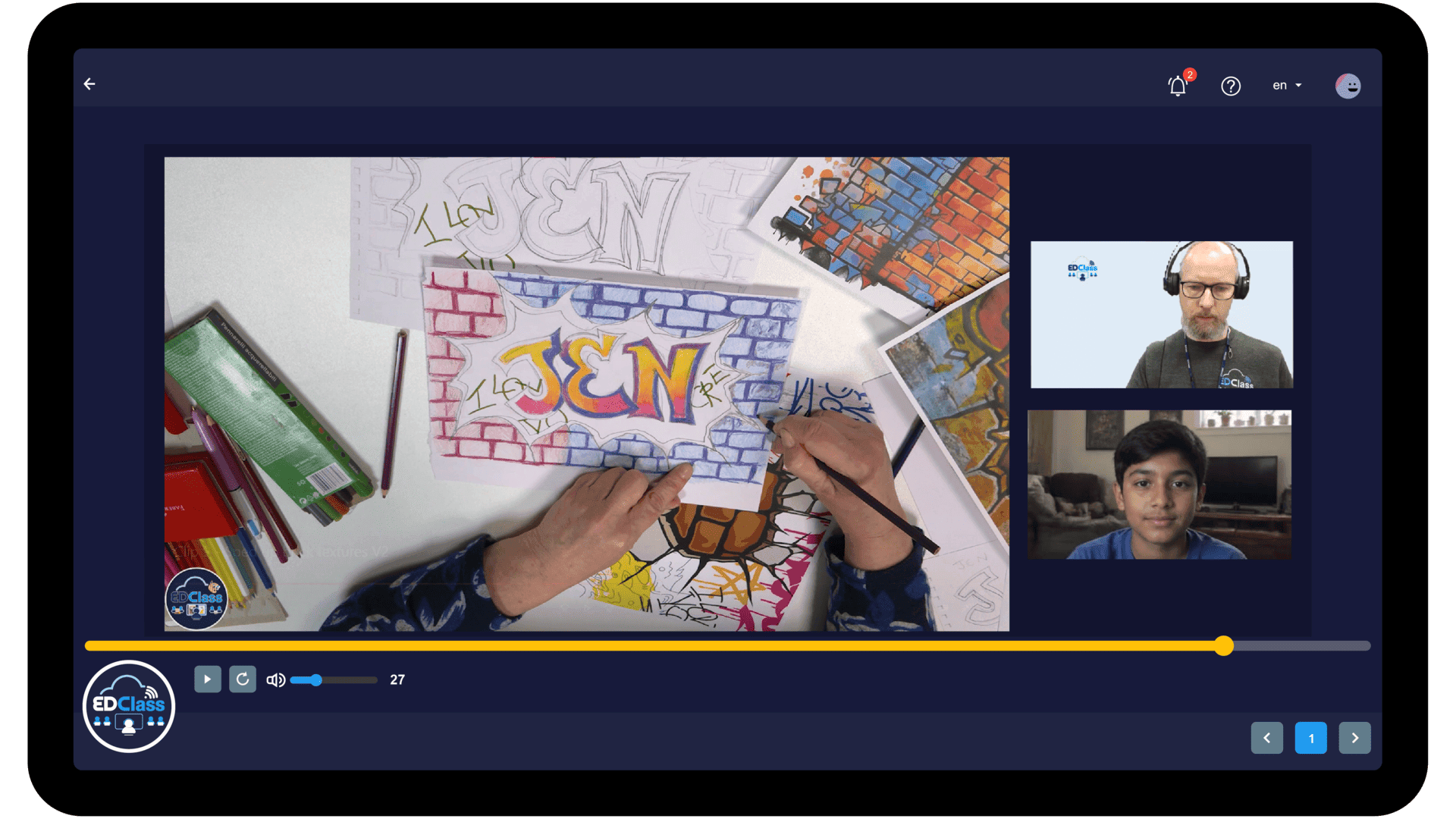
Engage with Diverse Art Forms: Be introduced to a range of artistic movements, styles, and cultures, fostering an appreciation for the diverse expressions of human creativity. This includes exploring graffiti art, pop art, different art in cultures, understanding the different styles. They’ll identify arguments for graffiti being considered art and whether it can be a form of social commentary.
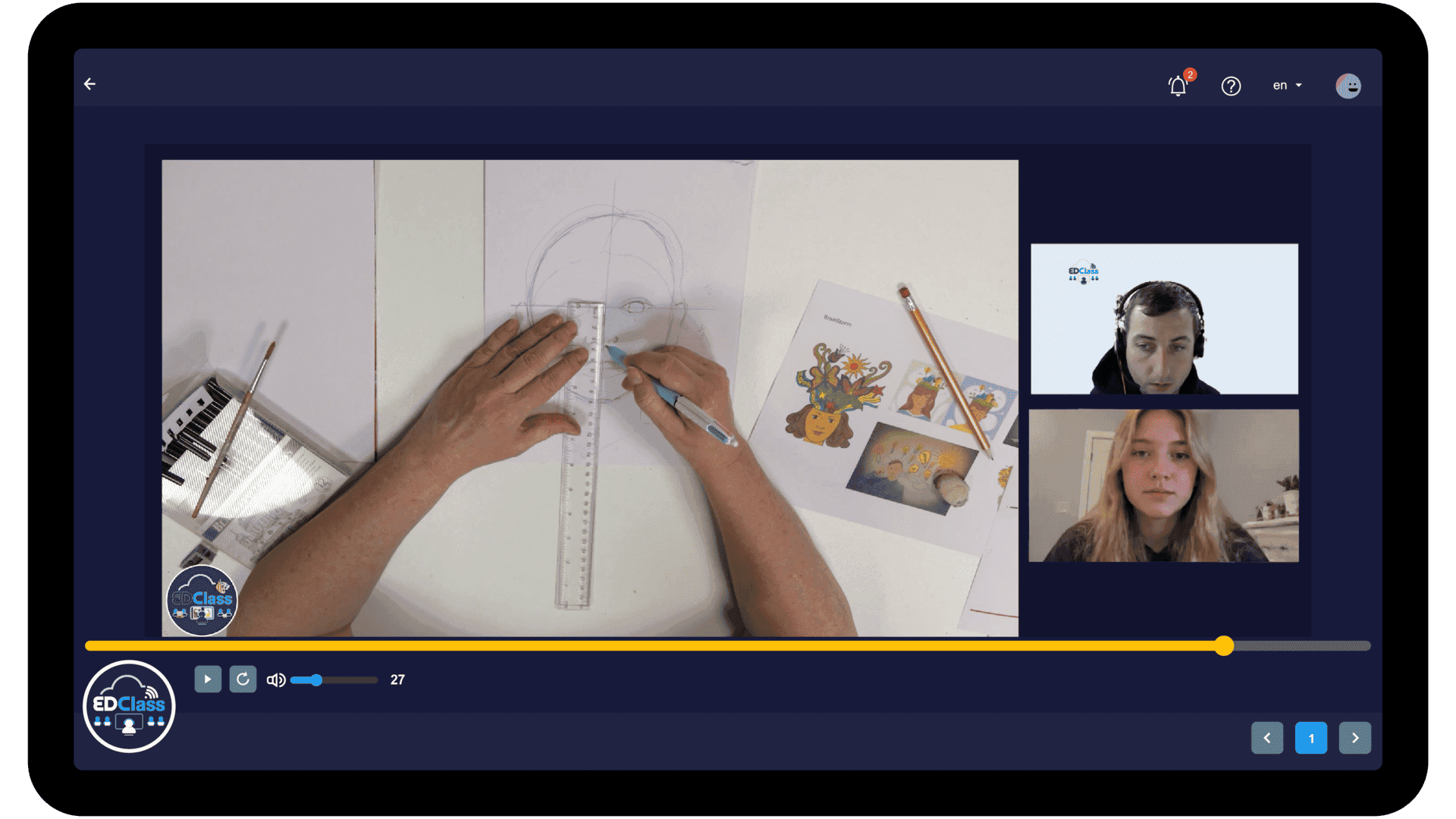
Develop Creative Skills: Cultivate their own creative potential through various projects, encouraging experimentation with different materials and techniques. This includes rough sketching to quickly capture ideas, alongside more refined pencil work. They’ll learn mind mapping skills to brainstorm ideas and expressing opinion through their artwork.
Representational Forms: Differentiating between 2D (two-dimensional) and 3D (three-dimensional) forms in art, and understanding how to create the illusion of 3D on a 2D surface.
Key Stage 4 (GCSE): Deepening Practice, Achieving Excellence
For students pursuing GCSE Art, our curriculum provides comprehensive coverage, rigorous preparation, and expert guidance to help them achieve their full potential. Students will delve deeper into:
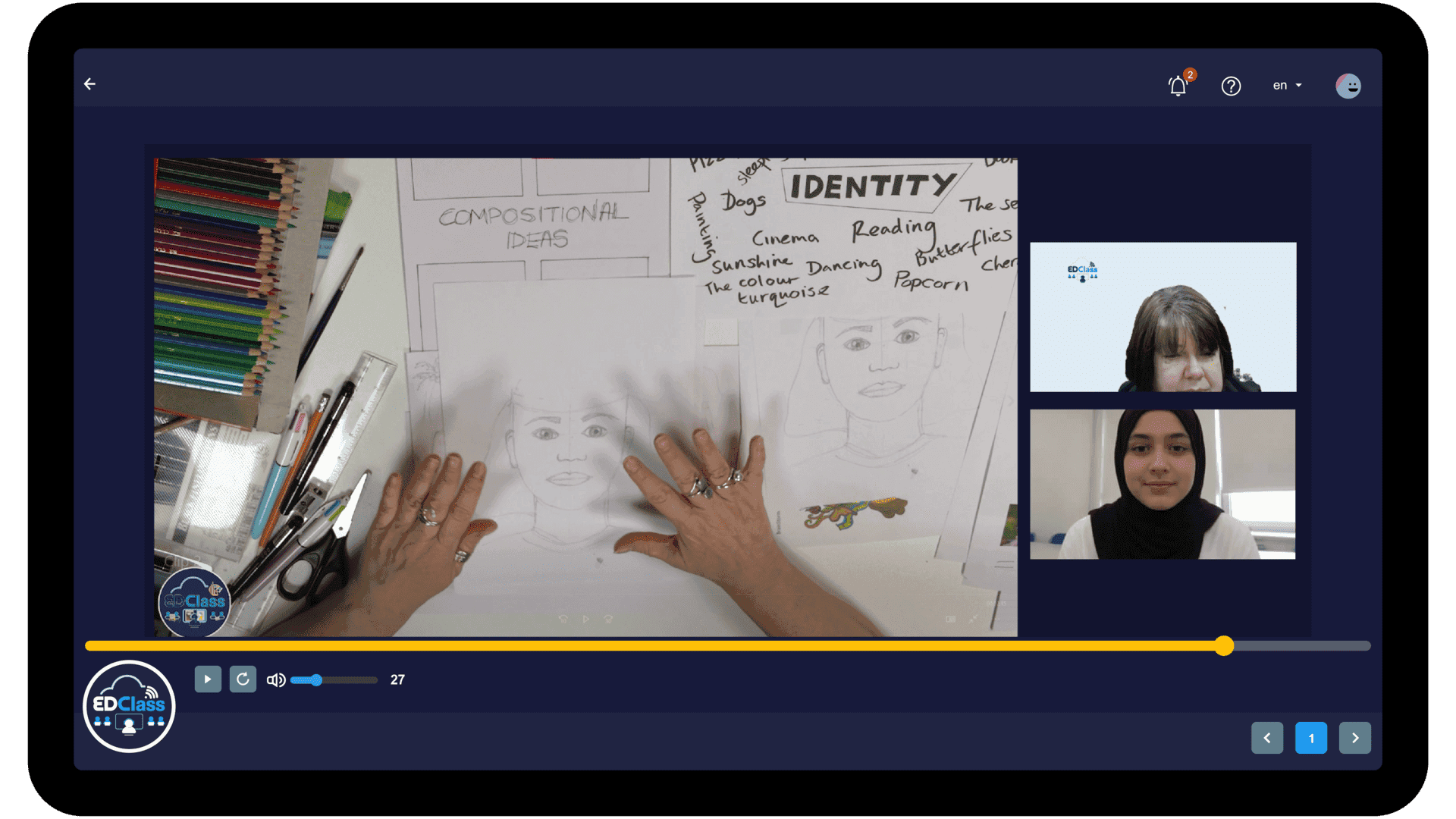
Advanced Drawing and Painting Techniques: Refine their skills in observational drawing, develop advanced shading and rendering techniques, and explore various painting media and styles. This includes advanced perspective drawing and the grid method for accurate copying and scaling.
Conceptual Development: Learn to develop and articulate their own artistic ideas and themes, creating coherent and personally meaningful bodies of work. They’ll examine logo design, understanding principles like balance and overlapping shapes.
Contextual Understanding: Research and analyse the work of other artists, art movements, and cultural contexts, understanding how art reflects and influences society. This includes the relationship between music and art, exploring album art, and art in music from a visual perspective.
Material and Process Exploration: Experiment with a wider range of materials, processes, and technologies, including digital art techniques where relevant. They will explore elements like typography (the art of arranging type) for expressive word art and the bold visuals of Pop Art.
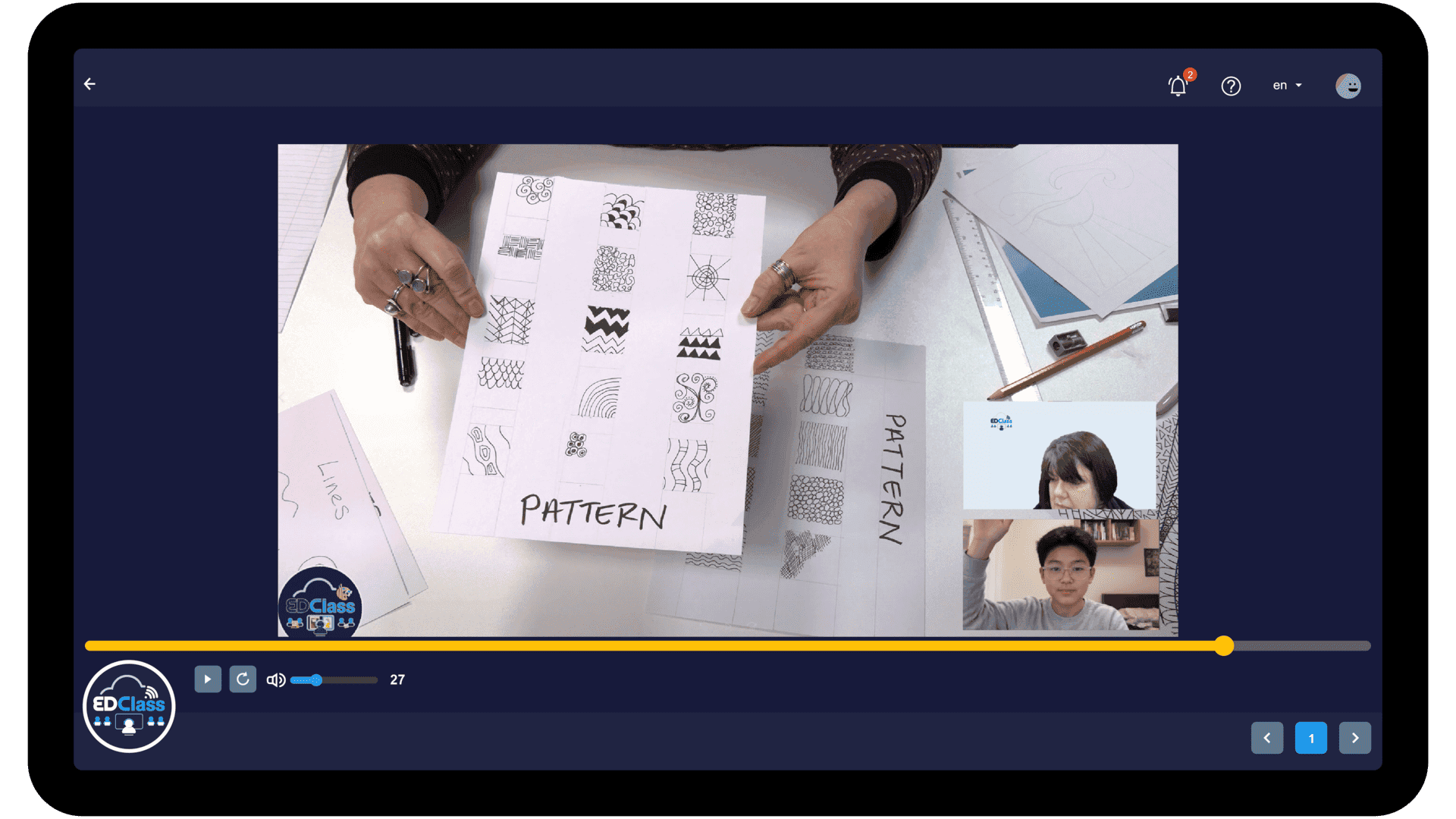
Photography and Digital Image Making: A dedicated focus on photography as an art form and a scientific process. Students will learn about types of photography (e.g., natural form, portraits, landscapes, wildlife) , understanding how camera phones work, key settings, composition, and ethical considerations. They’ll explore patterns in composition.
Critical Evaluation: Develop the ability to critically evaluate their own work and the work of others, using appropriate artistic terminology and analytical frameworks.